“The worst loneliness is to not be comfortable with yourself.” --Mark Twain
A Better Way To Develop Your Child's Confidence
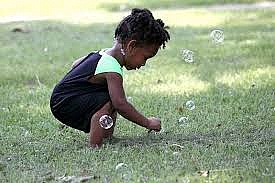
Some children show signs of fragile self-esteem because they tie their self-worth to being exceptional or constantly successful. This makes them overly self-critical, anxious about failure, and dependent on external approval, which can lead to stress, perfectionism, and loss of joy. Parents who give their kids excessive praise can worsen this problem. Instead of trying to convince children they are “great,” a healthier approach is to reduce excessive self-focus and help them develop a “quiet ego”—a mindset that is less self-centered and more open to the world and other people.
A “quiet ego” may be developed by cultivating experiences that encourage the following:
• Mindfulness (staying present without judgment)
• Flow (deep immersion in activities)
• Compassion (caring for others’ well-being)
• Elevation (feeling inspired by moral goodness in others)
• Awe (experiencing wonder at something larger than oneself)
Practicing these states can help children move away from constant self-judgment and toward a healthier, more balanced sense of identity that supports resilience, learning, and empathy. Read more in this week’s featured article from Greater Good magazine.
Reading Corner
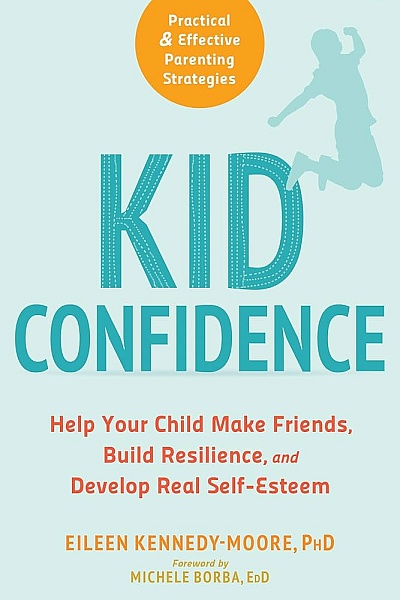
Title: Kid Confidence: Help Your Child Make Friends, Build Resilience and and Develop Real Self-Esteem
By: Eileen Kennedy-Moore
Ages: Adult
With this guide, you’ll learn that self-esteem isn’t about telling kids they're “special.” It’s about helping them embrace the freedom that comes with a quiet ego—a way of being in the world that isn't preoccupied with self-judgment, and instead embraces a compassionate view of oneself and others that allows for both present awareness and personal growth. When kids are less focused on evaluating and comparing themselves with others, they are freer to empathize with others, embrace learning, and connect with the values that are bigger than themselves.
Recommended by Kindful Editors
Be the Change
Choose any one of the practices that encourage cultivation of a "quiet ego" and observe what happens both for you and your children.