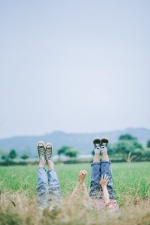
"Nature does not steal time, it amplifies it." --Richard Louv
It Seems Too Simple To Be True: How Nature Transforms Parenting And Childhood
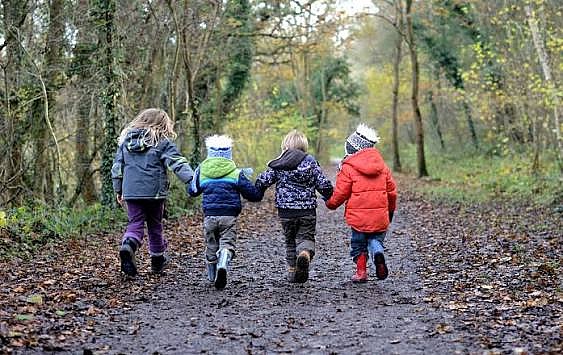
We don’t need to be outside long before sensing the magic nature holds. We feel fuller, freer, more alive. Its resonance lingers, long after we return indoors. Nature holds magic and medicine for all of us. We understand, intuitively and cognitively, the spiritual, emotional, and physical benefits of the great outdoors. Nature’s calming, restorative power is undeniable, a tonic for our modern lives. Yet our children are being denied this magic. They’re being kept indoors. Kids are spending less time communing with mother nature and more time inside staring at screens. They’re losing the desire and drive to be outside; missing out on the deep and lasting benefits nature has to offer. This sedentary shift isn’t just a lifestyle change; it’s a crisis in the making. We must heed the alarm bells and recognize that nature is not a ‘perk’ or ‘benefit’ or ‘reward’; it’s a birthright, a fundamental necessity for human well-being. It’s time for transformative change, time to give our children what they inherently need—a reconnection with nature. Read more in this week's featured article from Raised Good.
Reading Corner
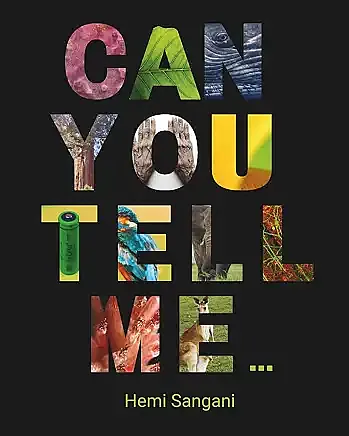
Title: Can You Tell Me?
By: Hemi Sangani
Ages: 4 and above
Long before humans ever picked up a tool, Nature had already been solving the same problems — for millions of years. Can You Tell Me... invites young readers on a playful journey of discovery, pairing striking photographs of the natural world with everyday inventions that work on surprisingly similar principles. Could the fin of a whale hold the secret to a quieter, more efficient wind turbine? What does an elephant's ear have to do with keeping a laptop cool? How does an albatross glide for miles without a single flap of its wings? Each page poses a gentle riddle, then reveals a surprising parallel: time and again, the clever engineering we take credit for was already at work in the natural world long before we built it ourselves — sometimes because we borrowed the idea directly, and sometimes simply because Nature and human ingenuity arrived at the same brilliant answer independently.
--Publishers
Recommended by Kindful Kids Editors
Be the Change
Check out this resource guide by Richard Louv (author of "Last Child In The Woods") to get ideas for nature activities for kids and families. Go on a "wonder walk" and look for ways that humans have been inspired by nature!